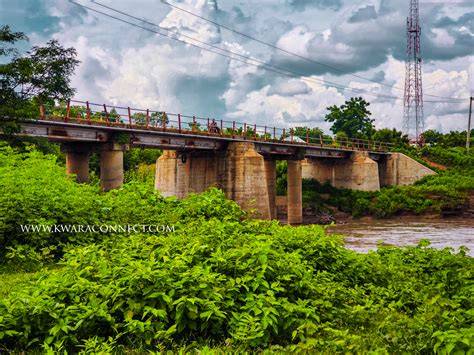
Aboh is a town located in the Ndokwa East Local Government Area of Delta State, Nigeria. It is situated along the banks of the Niger River, making it a strategic location for trade and transportation. With a population of over 50,000, Aboh is a bustling and vibrant community.
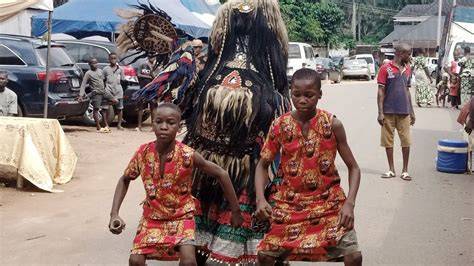
The town boasts a rich cultural heritage, with the majority of its residents belonging to the Ndokwa ethnic group. Traditional festivals and ceremonies are an integral part of Aboh's culture, showcasing the unique customs and traditions of the Ndokwa people.
Agriculture is the mainstay of the local economy, with farming of crops such as yam, cassava, and vegetables being prominent. The fertile soil and favorable climate in Aboh contribute to the high agricultural productivity in the region. Fishing is also a significant economic activity, with the Niger River providing a steady supply of fish.
Aboh is home to several educational institutions, including primary and secondary schools, as well as a few tertiary institutions. This demonstrates the emphasis placed on education in the community, with efforts being made to provide quality educational opportunities for the youth.
The town is well-connected to other parts of Nigeria through a network of roads, facilitating easy movement of people and goods. Aboh also has basic infrastructure such as hospitals, markets, and electricity, ensuring a decent standard of living for its residents.
Aboh is a picturesque town, surrounded by lush greenery and natural beauty. Its proximity to the Niger River offers opportunities for water-based recreational activities, attracting tourists and visitors from far and wide.
In conclusion, Aboh is a vibrant and culturally rich town in Nigeria, known for its agricultural productivity, educational institutions, and natural beauty. As a community along the Niger River, it thrives on trade and transportation, making it a significant hub in the region.