The awe-inspiring Abu Simbel, located in Egypt, is a place of profound historical significance and architectural marvel. Situated on the western bank of the Nile River, about 280 kilometers south of Aswan, Abu Simbel is a temple complex that dates back to the 13th century BC. The complex consists of two massive rock temples, the Great Temple of Ramses II and the smaller Temple of Hathor, dedicated to Ramses II and his queen, Nefertari.
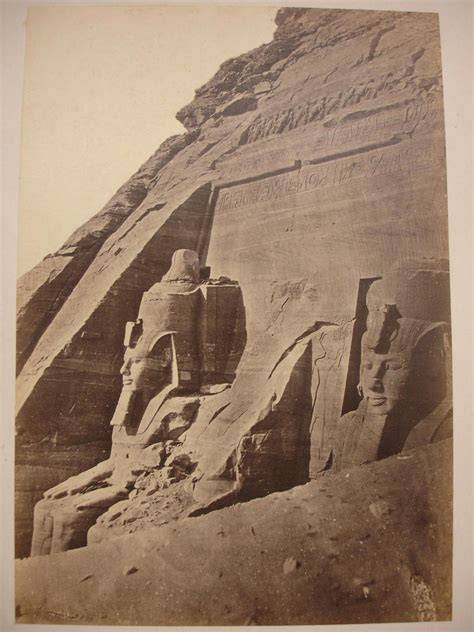
The Great Temple of Ramses II, the main attraction at Abu Simbel, is a testament to the grandeur and power of ancient Egyptian pharaohs. Carved out of a sandstone cliff, the temple features four enormous seated statues of Ramses II at its entrance, each standing at about 20 meters tall. Inside the temple, intricate reliefs depicting scenes of Ramses II's numerous military victories and religious ceremonies can be found. Moreover, twice a year, during the sunrise on February 22nd (his coronation day) and October 22nd (his birthday), the sun beams through the temple's entrance, illuminating the inner sanctum and highlighting the statues of Ramses II and the gods.
The smaller Temple of Hathor dedicated to Nefertari, the beloved wife of Ramses II, adds further allure to Abu Simbel. This temple boasts stunning decorative reliefs, showcasing the beauty and importance of the queen. The entrance to the temple is flanked by six statues, four of Ramses II and two of Nefertari, standing at approximately ten meters high.
Declared a UNESCO World Heritage Site, Abu Simbel is not only a masterpiece of ancient Egyptian architecture but also symbolizes the successful preservation efforts undertaken to rescue it from the rising waters of the Nile due to the construction of the Aswan High Dam. Undoubtedly, a visit to Abu Simbel is a journey through time, allowing visitors to witness the grandeur of Egypt's ancient past.