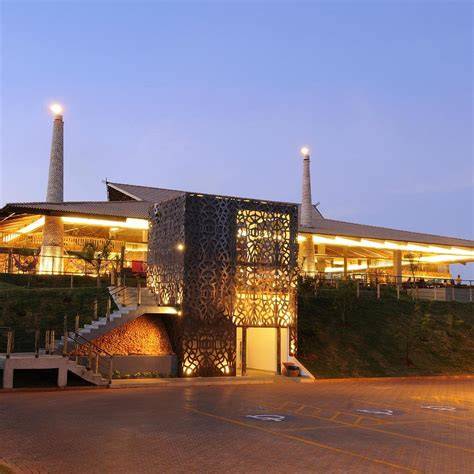
Buta in Congo, Democratic Republic
Buta is a town located in the Democratic Republic of Congo (DRC), in the northeastern part of the country. It is the capital of the Bas-Uele province and situated along the Uele River. Buta is a bustling hub of economic, cultural, and administrative activities in the region.
The town has a population of around 100,000 people, predominantly comprising of indigenous communities such as the Mbororo, Azande, and Lese. The diverse cultural heritage of these ethnic groups contributes to the vibrant and rich social fabric of Buta.
Buta is well-known for its local markets, where residents and visitors can find an array of goods, including fresh produce, handmade crafts, and traditional attire. These markets serve as vital economic centers, facilitating trade and commerce in the area.
Furthermore, Buta serves as an administrative center, housing government offices, educational institutions, healthcare facilities, and other essential services. The town is home to several primary schools, secondary schools, and a university, providing education opportunities for the local population.
Despite its rural location, Buta is connected to the rest of the country through various transportation modes. The town has an airport, which allows for domestic flights, and road networks that link it to neighboring towns and cities.
The natural surroundings of Buta are a sight to behold, as the town is surrounded by lush greenery and picturesque landscapes. The Uele River, in particular, provides a source of water for various activities and adds to the town's charm.
However, like many regions in the DRC, Buta faces challenges such as inadequate infrastructure, limited access to basic services, and ongoing conflicts. These challenges pose obstacles to the local population's socio-economic development and the overall well-being of the town.
Overall, Buta in the Democratic Republic of Congo is a vibrant town with a rich cultural heritage, bustling markets, and essential services. While facing numerous challenges, it continues to be a center of activity and serves as a vital contributor to the region's development.