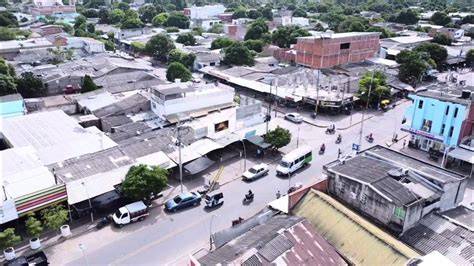
Capinota is a small town located in the department of Cochabamba in Bolivia. Situated at an altitude of approximately 2,800 meters above sea level, Capinota is nestled in the picturesque valley of the Rocha River. The town is surrounded by stunning natural landscapes, including rolling hills, fertile valleys, and the majestic Andes Mountains.
Capinota is known for its rich historical and cultural heritage. The town dates back to pre-Columbian times and was once inhabited by indigenous groups such as the Quechua and Aymara. Today, Capinota proudly preserves its indigenous traditions and customs, which can be seen in its vibrant festivals and colorful markets.
The main economic activities in Capinota revolve around agriculture. The fertile lands surrounding the town are ideal for cultivating crops such as maize, potatoes, quinoa, and beans. The locals also engage in livestock farming, particularly raising cattle and sheep. As a result, Capinota's markets are filled with a variety of fresh produce and local products.
In addition to its agricultural importance, Capinota is also known for its mining industry. The town is rich in mineral resources, including tin, silver, and lead. Mining has played a significant role in the local economy, attracting both national and international investors.