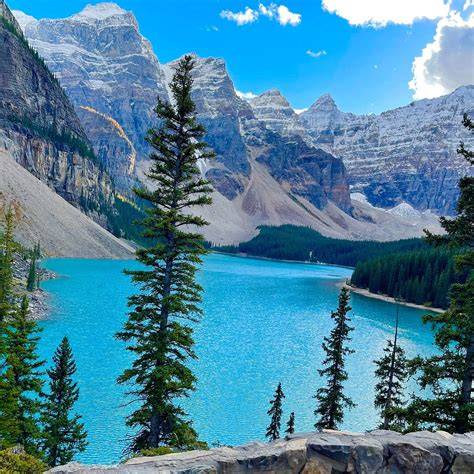
Clyde River is a small and picturesque community located in the northern region of Baffin Island, Nunavut, Canada. Nestled along the eastern coast of the island, Clyde River is surrounded by breathtaking natural beauty, including towering mountains, pristine glaciers, and the icy waters of Davis Strait. The town is situated approximately 1,000 kilometers north of the Arctic Circle, making it one of the most remote settlements in Canada.
The community of Clyde River is predominantly Inuit, with a population of around 1,000 residents. The Inuit people have inhabited this area for thousands of years, relying on hunting, fishing, and trapping as their traditional way of life. Today, many residents continue to engage in subsistence activities, while others are employed in the local government, education, and healthcare sectors.
Despite its remote location, Clyde River is a vibrant and close-knit community. The town is home to a number of essential services, including a health center, a grocery store, a school, and a post office. The community also has a strong cultural presence, with traditional Inuit practices and customs playing an important role in daily life. Visitors to Clyde River can experience this rich cultural heritage through art, storytelling, and traditional performances.
In recent years, Clyde River has gained attention for its activism and environmental stewardship. The community has been actively involved in efforts to protect the local ecosystem and preserve traditional hunting grounds. In 2017, Clyde River successfully challenged a seismic testing project in the Supreme Court of Canada, asserting their right to be consulted on activities that could impact their way of life. This landmark case has made Clyde River a symbol of Indigenous resistance and environmental advocacy.