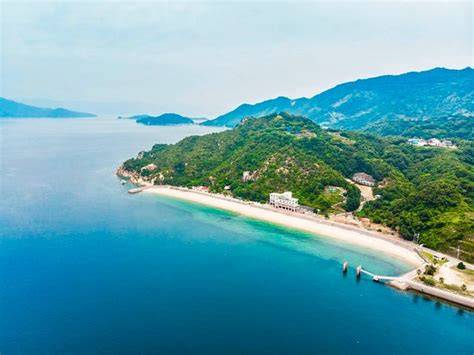
Hiroshima is a historic city located in southwestern Japan. It is the capital of Hiroshima Prefecture and serves as a significant cultural, economic, and political center in the region. The city holds immense historical importance due to the devastating atomic bomb attack it endured during World War II, which occurred on August 6, 1945.
Prior to the bombing, Hiroshima was a thriving industrial city with a population of around 350,000 people. However, the atomic bomb, codenamed "Little Boy," completely destroyed the city and claimed the lives of an estimated 140,000 people, including those who died from radiation-related illnesses in the following years.
Despite the tragic past, Hiroshima has risen from the ashes and transformed itself into a symbol of peace and resilience. The city has undergone extensive reconstruction and is now a bustling metropolis with a population of over 1 million people. It is home to numerous industries, including automobile manufacturing, electronics, and tourism.
One of the most iconic landmarks in Hiroshima is the Hiroshima Peace Memorial Park, which was built at the site where the bomb exploded. The park serves as a solemn reminder of the devastating consequences of war and is dedicated to promoting peace and nuclear disarmament. It houses several memorials, including the Peace Memorial Museum, which exhibits artifacts and testimonies related to the atomic bomb attack.