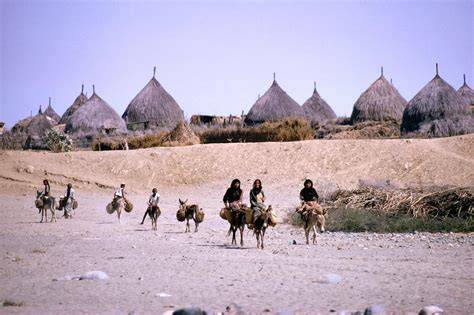
Kandahar is a historic city located in southern Afghanistan. It is the second largest city in the country and serves as the capital of Kandahar Province. Known as the "City of Kings," Kandahar has a rich and diverse history that dates back several centuries.
The city is situated in a fertile valley near the Arghandab River and is surrounded by rugged mountains. It has been an important center of trade, culture, and political power in Afghanistan. Kandahar was once the capital of the powerful Ghaznavid and Timurid empires and served as a major trade route connecting Central Asia with the Indian subcontinent.
Today, Kandahar is a bustling city with a population of over 1.2 million people. It is a melting pot of different ethnic groups, including Pashtuns, Tajiks, Hazaras, and Balochis. The city's economy is primarily based on agriculture, with crops such as wheat, grapes, and pomegranates being grown in the surrounding areas.
Kandahar is also known for its rich cultural heritage. The city is home to several historical landmarks, including the Kandahar Citadel, which was built during the Timurid period and served as a royal palace. Other attractions include the Shrine of the Cloak, believed to house a cloak worn by the Prophet Muhammad, and the Old City, which contains a maze of narrow streets and traditional bazaars.
Despite its historical significance and cultural heritage, Kandahar has also witnessed significant conflict and instability. It has been a focal point of the Taliban insurgency and has experienced numerous attacks and battles. Efforts are being made to improve security and bring stability to the region, with the Afghan government working towards the development and reconstruction of the city.
Overall, Kandahar is a city with a complex and layered history. It encapsulates the struggles and resilience of the Afghan people, while also showcasing the beauty and diversity of their culture.