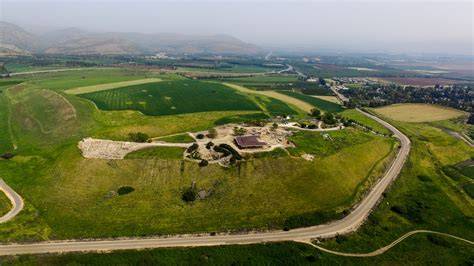
Khirbat Abu Tulul is an archaeological site located in Israel that holds immense historical significance. The site is situated near the modern-day town of Alghun in the northern Galilee region. Excavations conducted at Khirbat Abu Tulul have unearthed ruins and artifacts dating back to ancient civilizations, shedding light on the region's rich and diverse past.
The site holds evidence of settlement during various periods, including the Early Bronze Age, Iron Age, Hellenistic period, Roman period, and Byzantine period. These findings provide valuable insights into the different societies and cultures that thrived in the area throughout history. Researchers have discovered remnants of dwellings, tombs, oil presses, and agricultural terraces, further indicating the site's significance as a center for habitation, agriculture, and trade.
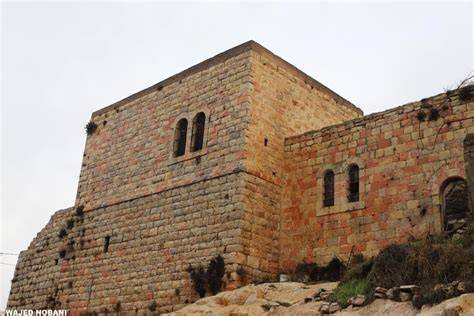
One notable feature of Khirbat Abu Tulul is the remains of a large fortified tower. This tower, believed to have been built during the Byzantine period, served both defensive and strategic purposes. Its sturdy construction and commanding position suggest the importance of the site as a stronghold in ancient times.
Additionally, the archaeological excavations at Khirbat Abu Tulul have unveiled various artifacts that provide a glimpse into the daily lives of the people who inhabited the area centuries ago. These artifacts include pottery, coins, jewelry, and tools, all of which offer valuable insights into the material culture and craftsmanship prevalent in different eras.