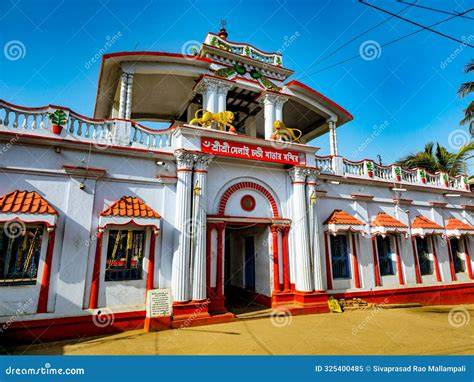
Madhubani, also known as Mithila, is a small village in the state of Bihar located in northeastern India. The village is renowned for its unique art form called Madhubani (meaning "forest of honey") painting, which has been passed down for centuries through generations of women. The painted artworks are characterized by intricate and vibrant designs depicting Hindu deities, nature, and everyday life.
Madhubani is not just a village, but also a cultural hub that attracts artists, tourists, and scholars from all over the world. The art form gained international recognition in the 1960s when a severe drought struck the region, forcing local women to generate income by selling their paintings. Today, Madhubani paintings are not only treasured for their aesthetic beauty but also recognized as an important cultural heritage.
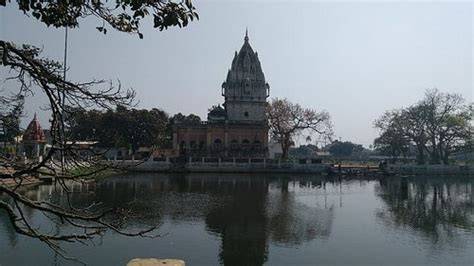
Aside from its art, Madhubani is also known for its rich history and religious significance. The village is closely associated with the Hindu epic, Ramayana, as it is believed to be the birthplace of Goddess Sita, the wife of Lord Rama. Madhubani is home to several ancient temples and pilgrimage sites that attract devotees and tourists throughout the year.
In recent years, Madhubani has experienced a growing tourism industry, with visitors coming to explore its art, culture, and heritage. Local artisans have set up small workshops where tourists can witness the process of creating Madhubani paintings and even try their hand at it. The village also hosts various festivals and fairs dedicated to art and culture, such as the Madhubani Art Festival, which showcases the work of talented artists from the region and beyond.
Madhubani is a place where art, tradition, and spirituality converge, offering visitors a unique and mesmerizing experience. Whether you are an art enthusiast, history buff, or someone seeking a spiritual retreat, Madhubani has something to offer for everyone.