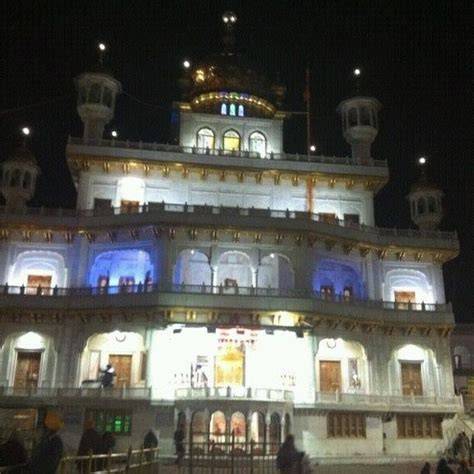
Nainwa is a historic town located in the Bundi district of the northwestern Indian state of Rajasthan. Situated amidst the picturesque Aravalli Range, Nainwa is renowned for its rich cultural heritage and architectural marvels.
The town holds immense historical significance as it served as a significant princely state during the reign of the Rajputs. It was once ruled by the Hada Rajputs, who contributed to its development and left their mark on the region's grand forts, palaces, and temples.
Nainwa is most famous for its imposing Nainwa Fort, which stands majestically atop a hill overlooking the town. This magnificent fort, built in traditional Rajput architectural style, is a testament to the ancient glory of the town and offers breathtaking panoramic views of the surrounding landscape.
The town is also home to numerous other architectural marvels like the Rani Ji Ki Baori, a stepwell adorned with intricate carvings and sculptures. This stepwell, built during the Hada Rajputs' era, served as a vital source of water and provided respite from the scorching desert heat.
Another notable attraction in Nainwa is the Shree Raghunathji Temple, which is dedicated to Lord Rama. This temple, known for its stunning architecture and religious significance, attracts devotees and tourists alike.
In addition to its historical and architectural treasures, Nainwa is surrounded by natural beauty. The town is enveloped by lush green landscapes and is a gateway to the beautiful Keshoraipatan Valley, ideal for nature enthusiasts and photographers.
The people of Nainwa are warm and welcoming, known for their vibrant culture, folk music, and traditional dance forms. The town celebrates various festivals with great zeal, offering visitors a chance to witness the colorful traditions and customs of Rajasthan.
Overall, Nainwa is a hidden gem that combines history, architecture, natural beauty, and cultural vibrancy. A visit to this charming town in India promises a delightful experience of exploring its heritage, enchanting landscapes, and the warmth of its people.