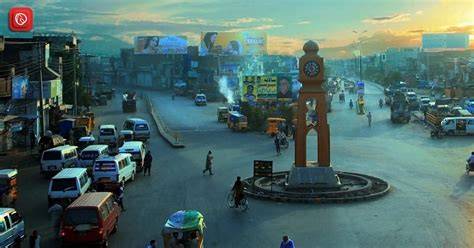
Nawabganj is a district located in the northern part of Bangladesh. It is situated in the Rajshahi Division and borders India to the west. The district gets its name from Nawabs, who were Muslim rulers in the region during the Mughal era.
Nawabganj is known for its rich historical and cultural heritage. The district is home to several ancient mosques, temples, and palaces that showcase the architectural brilliance of the bygone era. One prominent attraction is the Hazrat Shah Makhdum Ruposh Mazar, a tomb and mosque complex dedicated to the Sufi saint Shah Makhdum Ruposh.
With its fertile soil and favorable climatic conditions, Nawabganj is primarily an agricultural district. The region produces a variety of crops, including rice, wheat, jute, sugarcane, and lentils. The agricultural sector plays a vital role in the local economy and contributes significantly to the country's food production.
The district is also known for its handloom industry, producing exquisite traditional textiles and garments. The intricate designs and craftsmanship of the local artisans are highly regarded and sought after.
Nawabganj offers breathtaking natural landscapes, with the presence of rivers, canals, and lush green fields. The Padma River flows through the district, providing a picturesque setting for boating and fishing activities.
The people of Nawabganj are warm and welcoming, reflecting the hospitable nature of the Bengali culture. The district celebrates various festivals, including Eid, Durga Puja, and Pohela Boishakh, with great enthusiasm and fervor.
Overall, Nawabganj is a charming district that combines historical grandeur, agricultural prosperity, and natural beauty, making it a must-visit destination in Bangladesh.