Nemea is an ancient archaeological site located in the northeastern part of the Peloponnese region in Greece. It is renowned for its rich history, particularly as the site of the legendary Nemean Games, one of the four major Panhellenic Games of ancient Greece. The city of Nemea was a significant religious and athletic center, existing from as early as the 6th century BCE.
At the heart of Nemea is the Nemea Stadium, which hosted the athletic competitions during the Nemean Games. This stadium, built around 330 BCE, is a prominent attraction for visitors interested in ancient sports and the history of Greek athletics. The site also features the remains of various other structures, including the ancient Gymnasium, where athletes trained, and the Temple of Zeus, the chief god worshiped during the games.
Nemea is perhaps most famous for its association with the mythological figure of Hercules, who is said to have slain the ferocious Nemean Lion in the nearby mountains. According to legend, the skin of the lion became Hercules' impenetrable armor, symbolizing his heroic strength. The story adds a mythical and symbolic element to the historical significance of Nemea and increases its allure for visitors and researchers alike.
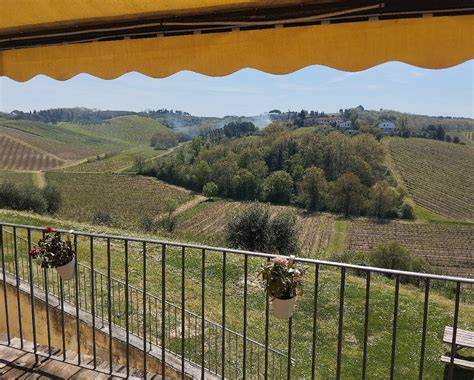
Today, Nemea is not only an archaeological site but also a modern village, preserving the ancient charm alongside contemporary amenities. The area is surrounded by picturesque vineyards, producing exceptional wines made from the local Agiorgitiko grape. Wine aficionados can visit the Nemea Wine Museum, located in the village, which provides insights into the region's winemaking traditions and offers wine tastings.
The allure of Nemea lies in its combination of ancient history and mythology, immersive archaeological sites, and the vibrant traditions of the local community. Whether one is fascinated by the ancient past, captivated by mythical tales, or simply in search of a unique cultural experience, Nemea offers a compelling destination to explore.