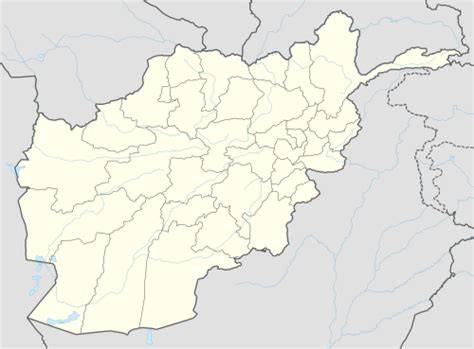
Pashmul is a village located in the southern province of Kandahar in Afghanistan. Known for its rich history and significant strategic position, the village has played an important role in the country's complex political and military landscape. Pashmul is nestled in the heart of the Taliban-dominated region, making it a center of conflict and instability.
Despite its small size, Pashmul has been a battleground for various factions throughout history. It has witnessed countless clashes between local militias, Afghan security forces, and insurgent groups. The village is strategically located along important transit routes, making it an ideal base for insurgent activities and smuggling operations.
Pashmul's population consists mainly of ethnic Pashtuns, who largely depend on farming and livestock rearing for their livelihood. The arid climate and limited access to irrigation make agricultural activities challenging for the local inhabitants. As a result, many residents rely on seasonal labor opportunities or migrate to nearby cities in search of better economic prospects.
The security situation in Pashmul has greatly impacted the daily lives of its residents. Violence and frequent military operations have disrupted essential services such as education and healthcare. Schools have been targeted by insurgent groups, forcing many children to stay at home and depriving them of their right to education. Additionally, limited access to medical facilities has resulted in inadequate healthcare provisions for the local population.
Efforts have been made by the Afghan government and international organizations to bring stability and development to Pashmul. Initiatives such as infrastructure projects, vocational training, and community development programs aim to provide a sense of security and improve the quality of life for its inhabitants. However, the challenges posed by ongoing conflict and the influence of extremist groups continue to hinder progress in the village.
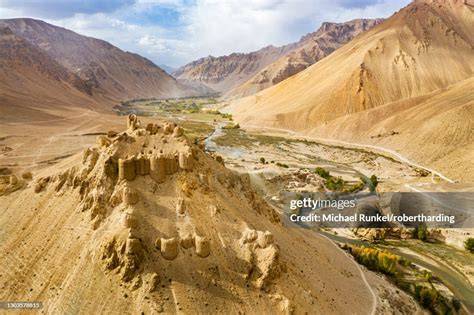
Despite the hardships faced by its people, Pashmul holds immense cultural significance. The village is home to old archaeological sites, ancient artifacts, and remnants of historical landmarks. These cultural treasures serve as a reminder of the village's past glory and the resilience of its residents in the face of adversity.