Pinsk is a historic city situated in the southern part of Belarus. It serves as the administrative center of the Pinsk district and is the second-largest city in the Brest region. The city has a population of approximately 125,000 inhabitants and spans over an area of 50 square kilometers.
Pinsk has a rich cultural heritage that dates back to the 10th century. The city has witnessed a number of significant events in Belarusian history, including the Battle of Pinsk between the Grand Duchy of Lithuania and the Golden Horde in 1387.
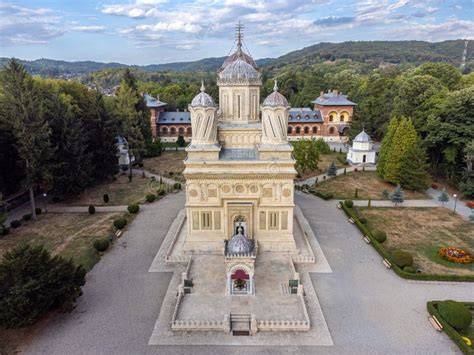
For tourists, Pinsk offers a variety of interesting sites to visit, such as the 16th century Jesuit Collegium, the Cathedral of the Assumption of the Blessed Virgin Mary, and the Pinskaya Slabada Folk Art Museum. The city is also known for its beautiful parks and gardens, most notably the Park of Culture and Rest and the Victory Park.
Pinsk is a significant economic center in the region, with a robust agricultural sector that produces crops such as wheat, barley, and potatoes. The city also has a growing industrial sector, with enterprises producing textiles, wood products, and food processing.
The city is well-connected with other regions in Belarus through a network of roads and rail links. The Pinsk Railway Station connects the city to important destinations such as Brest, Minsk, and Gomel. The city also has a bus station that provides intercity and international bus services.