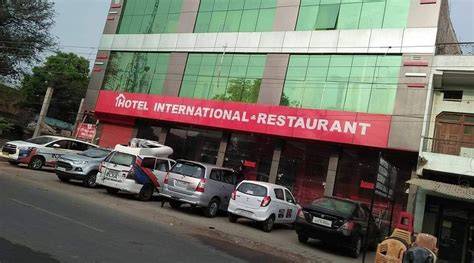
Piro is a town located in the Bhojpur district of the Indian state of Bihar. Situated on the eastern bank of the River Sone, Piro is known for its rich cultural heritage, historical significance, and thriving agricultural economy.
The town is believed to have derived its name from the Persian word "Pir", meaning a spiritual teacher or guide. Piro has a strong spiritual and religious significance, with several Hindu temples and Muslim shrines scattered throughout the town.
Piro is famous for its ancient archaeological sites and historical monuments. The region was ruled by various dynasties, including the Mauryas, Guptas, and Mughals, which has left behind a legacy of exquisite architectural wonders. The Piro Fort, a formidable structure built during the Mughal era, stands as a testament to the town's historical importance.
Agriculture forms the backbone of Piro's economy. The region is known for its fertile soil, which supports the cultivation of a wide range of crops, including rice, wheat, pulses, and sugarcane. Piro is also renowned for horticultural practices, with mango and litchi orchards dotting the landscape.
The town hosts various festivals and fairs throughout the year, where locals and tourists come together to celebrate and showcase their cultural heritage. The vibrant colors, traditional music, dance performances, and local cuisines make these festivities a memorable experience.
Piro is blessed with natural beauty, with the River Sone flowing through its heart. The picturesque riverbanks provide a serene escape from the hustle and bustle of daily life, offering opportunities for boating, fishing, and picnicking.
Overall, Piro, India, with its historical significance, cultural heritage, and thriving agricultural economy, provides a glimpse into the rich tapestry of Indian traditions and rural life.