Pyu was an ancient city-state located in what is now modern-day Myanmar. It was a significant civilization that flourished from the 2nd century BCE to the 9th century CE. The Pyu culture was known for its advanced agricultural practices, urban planning, and trade networks.
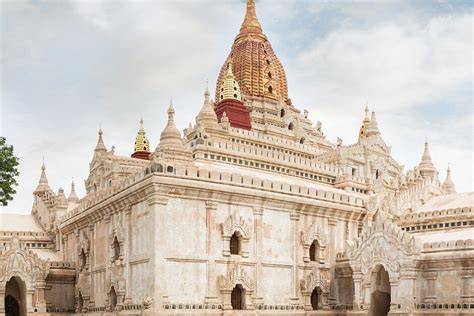
This ancient city played a vital role in the region's history, serving as a center for political, economic, and cultural activities. The Pyu people were skilled in various crafts such as pottery, metalworking, and weaving. They also practiced Buddhism and built numerous pagodas and temples, some of which still exist today.
Pyu's location along the Ayeyarwady River allowed it to become a prosperous trading hub, linking various regions such as India, China, and Southeast Asia. It was a critical link in the Silk Road network, facilitating trade between East and West.
Today, Pyu sites, including the cities of Halin, Beikthano, and Sri Ksetra, are recognized as UNESCO World Heritage Sites. These archaeological sites offer a glimpse into the ancient Pyu civilization, showcasing its architectural and artistic achievements.