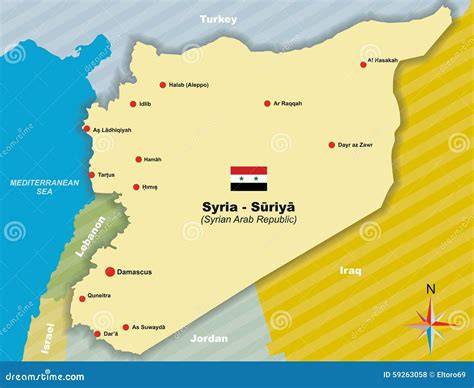
Rukban is a small village located in southern Jordan, near the country’s border with Syria. It is situated in a remote desert area and is home to a large population of displaced Syrians. Rukban has become a significant humanitarian challenge due to its isolated location and the difficult living conditions faced by its residents.
The village is located in an inhospitable area, characterized by harsh desert landscapes and extreme weather conditions. The lack of infrastructure and basic services, such as clean water, sanitation, and healthcare facilities, further exacerbates the hardships faced by the residents. The population of Rukban consists mostly of women, children, and elderly individuals who have fled the conflict in Syria.
Access to Rukban is extremely limited, with no paved roads leading to the village. This isolation has made it challenging for aid organizations and relief agencies to provide assistance to the residents. The UN and other humanitarian actors have been working to deliver aid to Rukban through cross-border operations, but these efforts have been constrained by security concerns and logistical difficulties.
The living conditions in Rukban are dire, with makeshift shelters made of tarpaulins and tents being the primary form of housing. The lack of access to clean water and proper sanitation facilities has led to a high prevalence of waterborne diseases and other health problems among the residents. Malnutrition and food shortages are also common, with limited access to nutritious food and a lack of livelihood opportunities.
Efforts are being made to address the challenges faced by the residents of Rukban, but the complex nature of the crisis requires sustained support from the international community. Providing adequate humanitarian aid, improving access to basic services, and exploring long-term solutions for the displaced population are crucial steps in alleviating the suffering in Rukban and ensuring a better future for its residents.