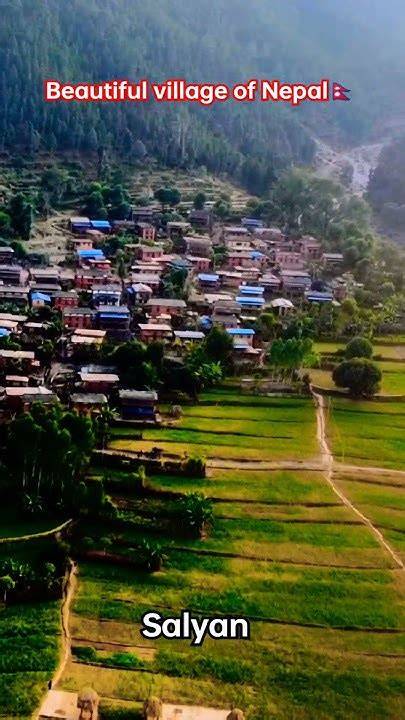
Salyan is a district located in the Karnali Province of Nepal. It lies in the western part of the country and covers an area of approximately 1,462 square kilometers. The district is surrounded by Achham and Dailekh districts in the east, Jajarkot district in the south, Dolpa district in the west, and Rukum district in the north. Salyan has an average elevation of around 1,500 meters above sea level and is primarily inhabited by people of various ethnic communities such as Magar, Thakuri, Brahmin, and Chhetri.
The district is known for its diverse landscapes that range from lowlands to high hills and mountainous regions. The major rivers flowing through Salyan include the Bheri, Mahabu, and Kali Gandaki, which provide irrigation facilities to the local agricultural sector. The district is primarily agrarian, with farming being the main occupation of the majority of the population. The fertile lands of Salyan support the cultivation of crops such as paddy, wheat, maize, and millet.
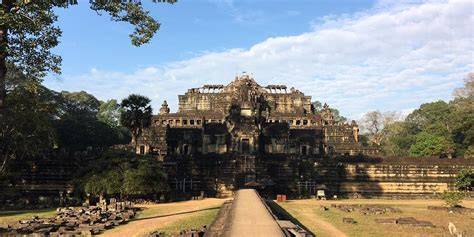
Salyan is also famous for its cultural heritage and religious sites. The district is home to several temples and shrines, including the popular Shiva temples of Sharada and Laxmi Narayan. These religious sites attract devotees and tourists from far and wide. Additionally, Salyan hosts various festivals and cultural events throughout the year, where locals showcase their traditional dances, music, and colorful attires.
The district faces various challenges related to infrastructure development, education, and healthcare. The roads connecting Salyan to other parts of the country are often in poor condition, hindering transportation and trade. The availability of quality education and healthcare facilities is limited, especially in rural areas. However, efforts are being made by the government and non-profit organizations to address these issues and improve the overall living standards of the people in Salyan.