Soweto, located in South Africa, is a vibrant and historically significant township that holds a prominent place in the country's history. It gained international attention during the apartheid era, as it was home to numerous political activists and played a central role in the struggle against racial segregation and inequality. Today, Soweto stands as a symbol of resilience and triumph, embracing its rich cultural heritage and providing a glimpse into the diverse and dynamic essence of South Africa.
One of the most notable landmarks in Soweto is the Hector Pieterson Memorial and Museum. This site commemorates the 1976 Soweto Uprising, a pivotal moment in the fight against apartheid when students protested against the enforcement of Afrikaans as the primary language of instruction in schools. The museum offers a poignant exhibition that tells the story of the uprising and pays tribute to the brave students who lost their lives in the struggle for freedom.
Another iconic attraction in Soweto is Vilakazi Street, the only street in the world that has been home to two Nobel Prize winners – Nelson Mandela and Archbishop Desmond Tutu. Visitors can explore Mandela House, which has been turned into a museum, to gain insight into the life and legacy of the revered anti-apartheid leader. The street is also lined with vibrant restaurants, cafes, and craft markets, offering a taste of Soweto's cultural and culinary delights.
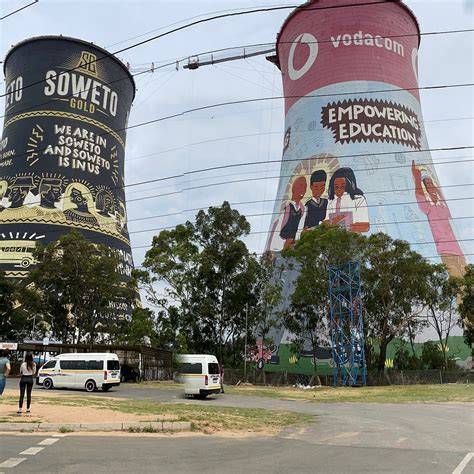
Soweto is a place of contrasts, where modern developments coexist with informal settlements. Orlando Towers, once power station cooling towers, have been transformed into an adrenaline-fueled adventure hub, offering activities such as bungee jumping and paintballing. On the other hand, Kliptown, one of the oldest areas in Soweto, provides a glimpse into the township's humble beginnings and is home to the Freedom Charter, a historic document that shaped South Africa's democratic constitution.