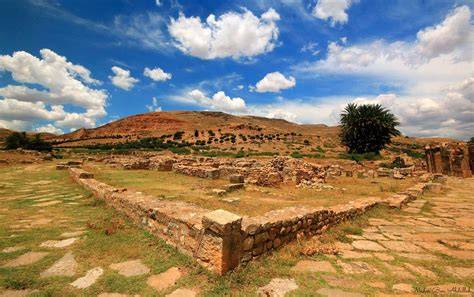
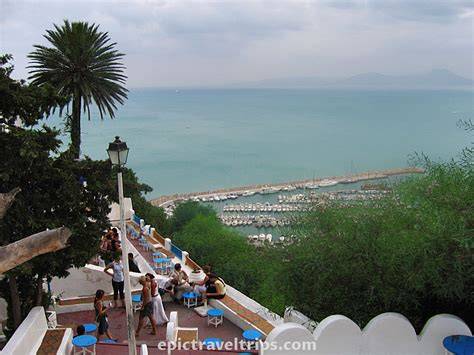
Testour is a small town located in the Béja Governorate of northwest Tunisia. Situated in the hills of the Medjerda Valley, Testour is known for its rich history and cultural heritage. Its name translates to "Gateway of Victory" in Arabic, reflecting its strategic location near the Roman road connecting Carthage to Téboursouk.
The town is renowned for its distinctive Andalusian architecture, a result of the influx of Muslim and Jewish refugees from Andalusia during the Spanish Inquisition. The houses in Testour feature characteristic white walls adorned with colorful tiles and intricate geometric patterns, creating a picturesque and enchanting atmosphere throughout the town.
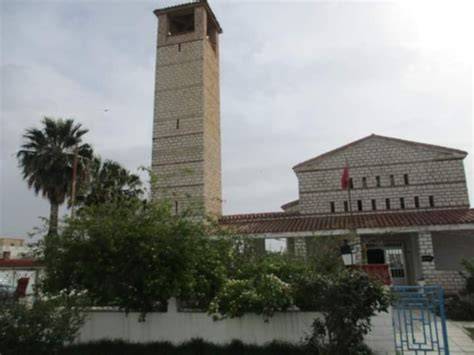
One of the main attractions in Testour is the Great Mosque, built in the 17th century. It showcases a striking octagonal minaret with green and blue tiles that dominate the skyline. Another notable site is the Dar Toumi Museum, housed in an 18th-century mansion, which displays historical artifacts and provides insights into Testour's rich past.
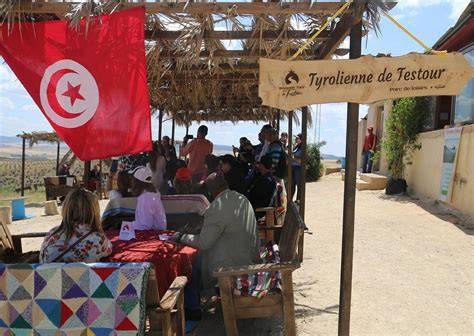
Testour is also renowned for its annual International Festival of Testour, held in May. This festival celebrates the town's diverse cultural heritage, attracting artists, musicians, and visitors from all over Tunisia and beyond. The festival's main highlight is the performance of traditional Andalusian music, known for its soulful melodies and rhythmic tunes.
With its historic charm, picturesque architecture, and vibrant cultural scene, Testour offers visitors a unique and memorable experience in Tunisia. Whether exploring its ancient streets, visiting its landmarks, or immersing in its cultural celebrations, Testour is a captivating destination that showcases the rich tapestry of Tunisia's history.