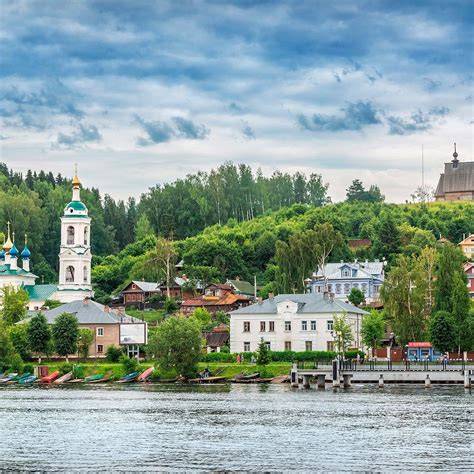
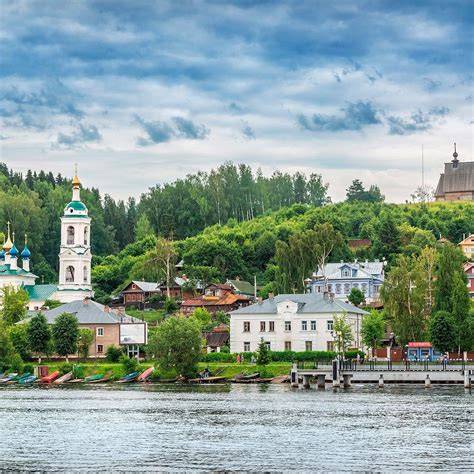
The Volga is a region located in the Russian Federation, encompassing the vast area around the Volga River. The river itself is the longest in Europe, stretching over 2,300 miles from its source in the Valdai Hills to the Caspian Sea. As it winds through the Russian heartland, the Volga serves as a vital transportation route, connecting major cities and regions. Its significance to the Russian economy and culture cannot be overstated.
Within the Volga region lies a diverse landscape that ranges from fertile plains to dense forests and picturesque hills. This diverse geography contributes to the region's rich biodiversity, making it a haven for various plant and animal species. The Volga River, with its numerous tributaries and reservoirs, supports a thriving ecosystem that sustains a wide array of aquatic life. The region is also home to several nature reserves and national parks, preserving its natural heritage.
Human history in the Volga region dates back thousands of years, with evidence of early settlements and ancient civilizations. Over the centuries, the area has been inhabited by various ethnic groups, including Tatars, Russians, and Chuvash, among others. This cultural diversity is reflected in the region's architecture, traditions, and cuisine. Visitors to the Volga can explore historic towns and cities, such as Kazan and Astrakhan, where ancient mosques and Orthodox cathedrals coexist harmoniously.
Additionally, the Volga region plays a crucial role in the Russian economy. The river serves as a major transportation route for goods, connecting the industrial centers of Moscow and St. Petersburg with other regions. The Volga basin is also known for its rich oil and natural gas reserves, contributing significantly to the country's energy production. Furthermore, agriculture thrives in the fertile soils of the region, with wheat, barley, and sunflowers being among the main crops cultivated.