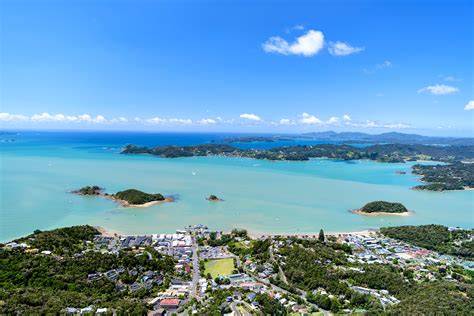
Waitangi is a historically significant place located in New Zealand. It holds immense cultural and historical importance for both the Māori people and the nation as a whole. Waitangi is situated in the Bay of Islands, on the North Island of New Zealand.
The Treaty of Waitangi, signed on February 6, 1840, is considered the founding document of New Zealand. It was signed between representatives of the British Crown and more than 500 Māori chiefs. The treaty aimed to establish a partnership between the Māori people and the British settlers, guaranteeing certain rights and protections for both parties.
Waitangi is home to the Waitangi Treaty Grounds, where the treaty was signed over 180 years ago. This site has been preserved and transformed into a cultural heritage destination, welcoming visitors to learn about the history and significance of the treaty.
The Waitangi Treaty Grounds feature several key attractions, including the Treaty House, which was the former residence of James Busby, the British Resident in New Zealand at the time of the treaty signing. The beautifully restored house showcases a collection of taonga (treasures) and provides insight into the lives of those involved in the treaty negotiations.
Another prominent feature of the Waitangi Treaty Grounds is the Meeting House, known as Te Whare Rūnanga. This intricately carved building serves as a symbol of unity between the Māori tribes and is used for ceremonial gatherings and events.
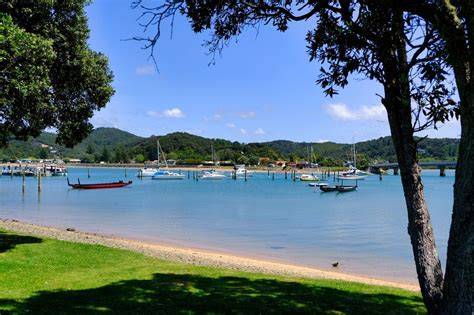
Visitors to Waitangi can explore the beautifully landscaped grounds, walk along the beach, and participate in cultural performances and interactive displays that shed light on Māori traditions, history, and the ongoing significance of the Treaty of Waitangi.
Waitangi is more than a historical site—it stands as a constant reminder of the complex and evolving relationship between the Māori people and the Crown in New Zealand. It offers a unique opportunity to reflect upon the past, understand the present, and envision a future of shared understanding and partnership.