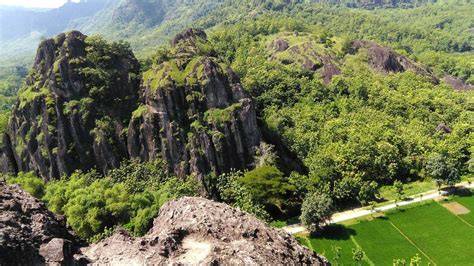
Indonesia

Weru

Weru

Weru is a small district located in the Indonesian province of West Java. It is situated on the northern coast of the province, approximate…

Best for you if…

  • A week-long stay
  • Exploring with transit or a car
  • Beach vacation travelers
  • Cultural exploration travelers
  • Visiting in June to August
Recommended stay
5-7 days days
Best time
June to August
Walkability
Spread
Guide depth
Solid guide
More about this guide

Weru is a strong pick for beach vacation & cultural exploration — plan about 5-7 days days; group places into half-day loops. Peak season: June to August.

Solid guide guide · about 4 min to read · depth score 63/100 (coverage of intro, tips, and mapped places)

Spread density — Wide area — group nearby places into half-day loops. (≈13.2 km span)

5-7 days Recommended days
June to August Best season
8 Nearby places

Find nearby destinations

When to go

High season: June to August

JAN
FEB
MAR
APR
MAY
JUN
JUL
AUG
SEP
OCT
NOV
DEC

Best months for lower-cost travel: January · February · September · October · November

Weather

Autumn

September to November

Spring

March to May

Summer

June to August

Winter

December to February

How to get there

How to Reach Weru in Indonesia

Weru is a charming village located in the West Java province of Indonesia, known for its natural beauty and cultural heritage. If you are planning a trip to Weru, here are a few ways to reach this picturesque destination.

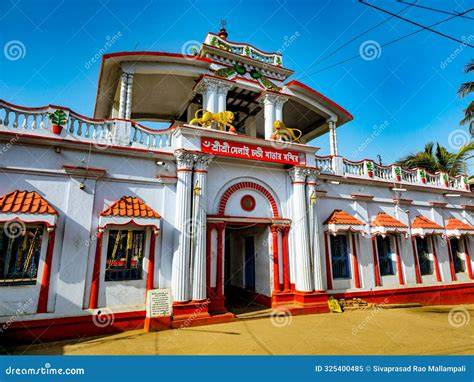
By Air:

The easiest way to reach Weru is by flying to Husein Sastranegara International Airport in Bandung, which is the nearest major airport to the village. From the airport, you can hire a taxi or take a bus to Weru. The journey takes approximately 2 hours, depending on the traffic conditions.

By Train:

If you prefer a scenic journey, you can take a train from Jakarta to Cimahi Station, which is around 10 kilometers away from Weru. From Cimahi Station, you can hire a local transportation service or take a taxi to reach your destination. The train ride offers breathtaking views of the Indonesian countryside and is a popular choice among travelers.

By Road:

Weru is well-connected by road, making it easily accessible by car or bus. If you are traveling from Jakarta, you can take the Jakarta-Cikampek Toll Road and continue on the Cipularang Toll Road. The journey by road usually takes around 3-4 hours, depending on the traffic conditions. Alternatively, you can also hire a private car or join a guided tour to reach Weru conveniently.

By Public Transportation:

For budget-conscious travelers, public transportation is a viable option to reach Weru. From Jakarta, you can take a bus from the Kampung Rambutan Terminal to Bandung. Once you reach Bandung, you can then take a local bus or minibus to Weru. The journey by public transportation may take longer compared to other modes of transport, but it offers a chance to experience the local culture and interact with fellow travelers.

By Motorcycle:

If you are an adventurous traveler, you can also consider renting a motorcycle to reach Weru. There are several rental services available in Bandung, allowing you to explore the scenic routes and enjoy the freedom of riding through the beautiful countryside of West Java.

No matter which mode of transport you choose, reaching Weru is a memorable experience. The village offers a tranquil escape from the bustling cities, with its lush green landscapes, traditional architecture, and warm hospitality. Plan your trip to Weru and immerse yourself in the rich culture and natural beauty of this Indonesian gem!

Getting to know Weru

Weru is a small district located in the Indonesian province of West Java. It is situated on the northern coast of the province, approximately 30 kilometers west of the capital city, Jakarta. The district covers an area of about 77 square kilometers and is home to a population of around 200,000 people.

Weru is known for its beautiful beaches, which attract tourists from both within the country and abroad. The district boasts several popular beach destinations, including Karangsong Beach and Tanjung Lesung Beach. These beaches offer pristine white sands, clear blue waters, and stunning views of the surrounding landscapes.

In addition to its natural beauty, Weru is also rich in cultural heritage. The district is home to several traditional villages, where visitors can experience the local way of life and witness traditional ceremonies and performances. The villages are known for their unique architectural styles, with houses made of bamboo and thatched roofs.

Weru is also a hub for agricultural activities, with vast stretches of fertile land. The district is known for its rice paddies and fruit orchards, which contribute to the local economy. The agricultural products of Weru are highly regarded for their quality and are exported to various parts of the country.

Pre-trip checklist

Compiled from local tips, stay length, and season notes.

Local tips

  • Pack light and breathable clothing
  • Carry sunscreen and insect repellent
  • Try local street food for an authentic experience
  • Learn a few basic Indonesian phrases

Frequently asked questions

Answers compiled from stay length, season, and local tips for this guide.

How many days do you need in Weru?

Most travelers spend about 5-7 days days in Weru, Indonesia.

When is the best time to visit Weru?

High season is typically June to August.

Which months are more budget-friendly in Weru?

Travelers often find better value in January, February, September, October, November.

What kind of trip is Weru good for?

Weru suits Beach vacation, Cultural exploration, Nature and wildlife, Adventure sports.

Is Weru walkable?

Wide area — group nearby places into half-day loops.

Any local tips for Weru?

Pack light and breathable clothing

Build your trip

Add Weru and the places you want to see — your itinerary stays on this device.

Multi-city ideas

Nearby combinations sharing travel styles. See all routes

  • Weru → Ngawen → Wedi in Indonesia · ≈22 km
  • Weru → Sukoharjo, Indonesia - A Place of Natural Beauty and Cultural Heritage → Sukoharjo Satu · ≈14 km
  • Weru → Sukoharjo Satu → Sukoharjo, Indonesia - A Place of Natural Beauty and Cultural Heritage · ≈14 km

Same vibe

Destinations sharing travel styles, stay length, or region.

Explore nearby

Nearby places worth adding to your trip

Ngawen

Indonesia

8.9 km · Best: June-August · 5-7 days · Spread

Ngawen is a small village located in the region of Java, Indonesia. Situated close to the city of Yogyakarta, Ngawen offers a peaceful and…

Sukoharjo, Indonesia - A Place of Natural Beauty and Cultural Heritage

Indonesia

14 km · Best: June to August · 3-5 days days · Moderate

Sukoharjo is a regency located in Central Java, Indonesia. It is known for its stunning natural landscapes and rich cultural heritage.

Sukoharjo Satu

Indonesia

14 km · Best: June to August · 3-5 days · Moderate

Sukoharjo Satu is a charming place located in Indonesia, known for its rich cultural heritage, beautiful landscapes, and warm hospitality.

Selogiri

Indonesia

15 km · Best: June to August · 5-7 days · Spread

Selogiri, Indonesia, is a stunning and captivating destination located on the island of Java. The region boasts a diverse range of natural…

Ceper

Indonesia

16 km · Best: June to August · 7-10 days days · Compact

Ceper is a small village located in the Klaten Regency of Central Java, Indonesia. Situated in the heart of the island, Ceper is known for…

Wedi in Indonesia

Indonesia

17 km · Best: June to August · 7 days · Spread

Wedi is a beautiful coastal village located in Indonesia. Situated in the province of Yogyakarta, on the southern coast of Java island, Wed…

Delanggu, Indonesia

Indonesia

19 km · Best: June - August · 5-7 days days · Compact

Delanggu is a small district located in the Klaten Regency of Central Java, Indonesia. Known for its rich cultural heritage and beautiful n…

Klaten

Indonesia

19 km · Best: June to August · 5-7 days days · Compact

Klaten is a regency located in Central Java, Indonesia. It is known for its rich cultural heritage, scenic landscapes, and traditional rura…